Aqueduto das Águas Livres
Calçada da Quintinha 6, 1070-225 Lisboa, Portugal



Specification
Student Discount Ticket Office Family Friendly“Tracing Lisbon’s Waterway Heritage at Aqueduto das Águas Livres, the Lisbon Aqueduct”
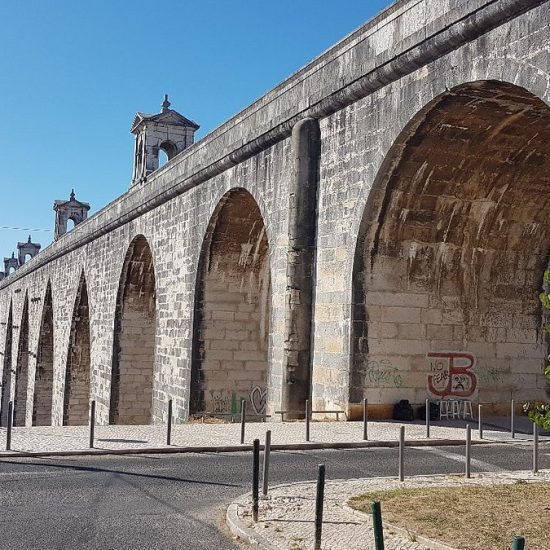
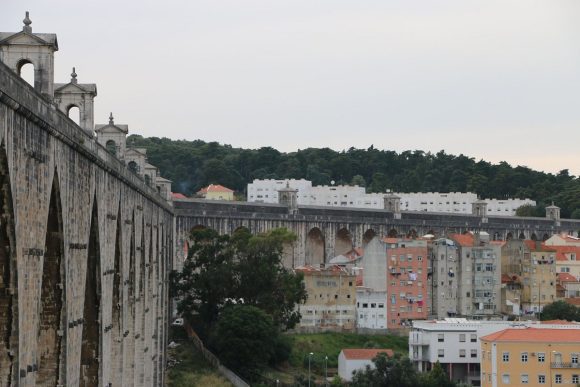
🚰 The Águas Livres Aqueduct, built between 1731 and 1799 by royal decree, is nothing short of an engineering marvel. This vast system for capturing and transporting water using gravity is not only a national monument, but also a notable work of hydraulic engineering. Its historical significance and architectural grandeur make it a great destination to visit, but, be warned, it is on the outskirts of Lisbon so there is not much else for tourists in that area apart from the adjoining Monsanto forest. Great if you want to go for a run or get lost for a few days!
🏞️ To comprehend the scope of this extraordinary aqueduct, one must understand its origins. The Águas Livres Aqueduct draws its water from the Águas Livres water springs located in the Sintra mountain watershed, particularly in the Belas area, northwest of Lisbon. This majestic structure became the lifeline of the city, providing a reliable source of fresh water.
Aqueduto das Águas Livres Drone Footage
💧 The aqueduct’s route closely followed the path of the ancient Roman aqueduct, demonstrating a deep historical connection to Lisbon’s water supply. However, the completion of this monumental feat required substantial financial resources. The “Real de Água” tax, levied on essential goods such as olive oil, wine, and meat, played a pivotal role in making this colossal project a reality.
🏛️ The Águas Livres Aqueduct system comprises several key components. The primary section, extending over 14 kilometers, begins at Mãe de Água Velha in Belas and terminates at the Mãe de Água das Amoreiras reservoir in Lisbon. In addition to this main artery, the system includes numerous secondary sections, which served the purpose of transporting water from around 60 springs. The aqueduct’s complexity becomes evident when we consider the five galleries designed to supply water to approximately 30 fountains in the capital.
🚰 In its heyday, the Águas Livres Aqueduct was an impressive 58 kilometers long, inside and outside Lisbon. It was the lifeline of the city, providing vital water resources to its residents. However, its waters ceased to be used for human consumption in the 1960s. Despite its functional retirement, this monumental aqueduct has retained its historical and architectural importance, standing as a timeless symbol of Lisbon’s past.
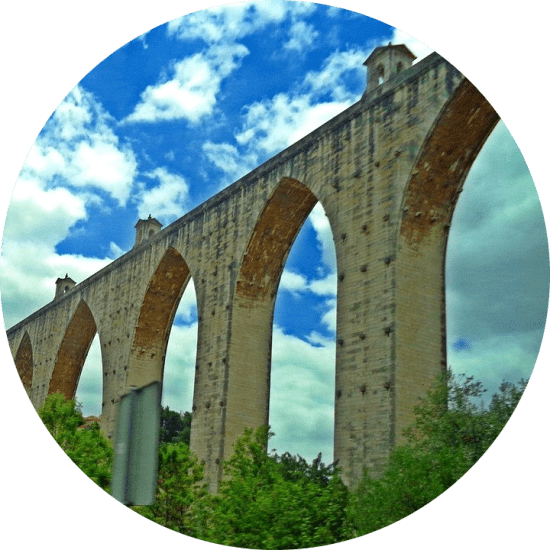
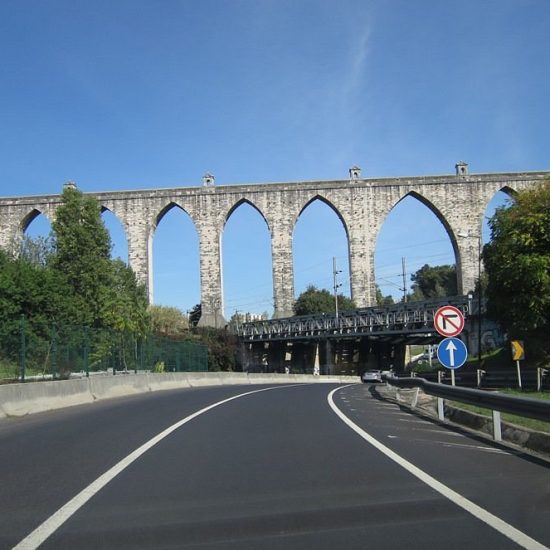
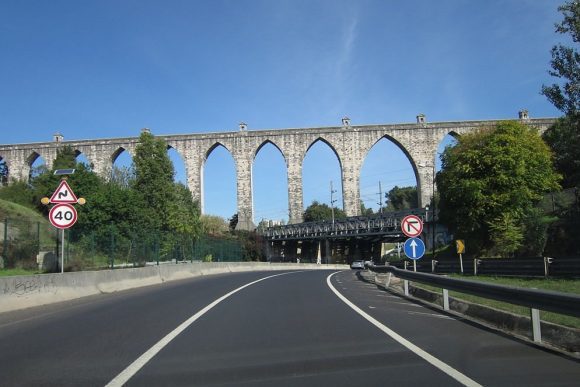
🌊 One of the most striking features of the Águas Livres Aqueduct is the extraordinary arcade of the Alcântara valley. Spanning 941 meters, it consists of 35 arches, including the largest stone arch in the world, measuring an impressive 65.29 meters in height and 28.86 meters in width. This architectural marvel is a true work of art, highlighting the skill and vision of those who designed and built it.
📚 Today, the Águas Livres Aqueduct lets visitors have the opportunity to explore this monumental structure, learning about its historical and engineering significance. The aqueduct’s story is told through exhibitions, showcasing the intricate network of tunnels, galleries, and reservoirs that once channeled water through the city. These displays provide a fascinating insight into the complex engineering and craftsmanship that went into creating this vital piece of infrastructure.
It’s a destination that combines education and admiration, making it a must-visit for those seeking a profound connection to the past and a unique, birds-eye perspective on the city’s heritage. Obviously if you are not a fan of heights then don’t bother with this one!
OPENING TIMES
| Monday | Closed |
| Tuesday | 10 am–5:30 pm |
| Wednesday | 10 am–5:30 pm |
| Thursday | 10 am–5:30 pm |
| Friday | 10 am–5:30 pm |
| Saturday | 10 am–5:30 pm |
| Sunday | 10 am–5:30 pm |