Jerónimos Monastery
Mosteiro dos Jerónimos, Lisbon, Portugal

Specification
Ticket Office Family Friendly“Jerónimos Monastery: The Magnificent Monastery in Lisbon”
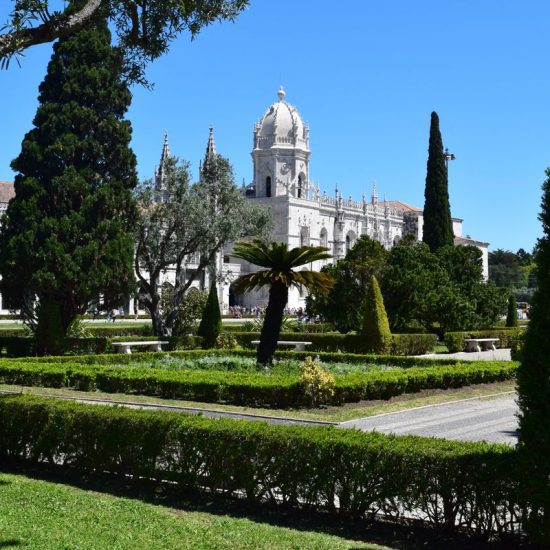
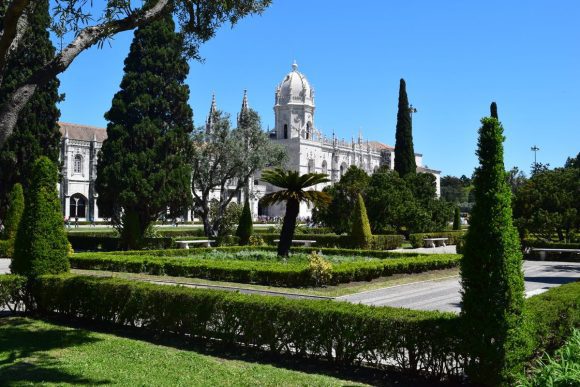
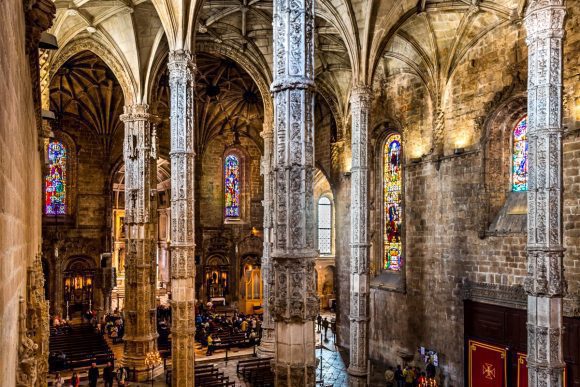
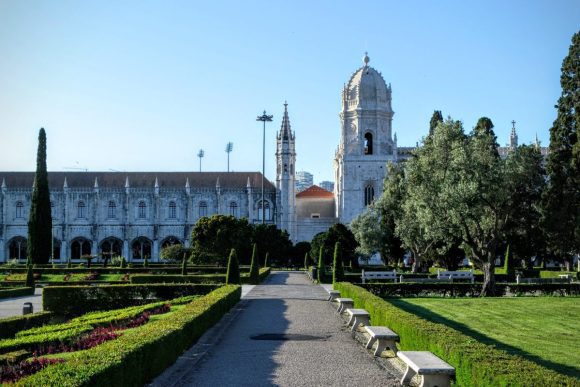
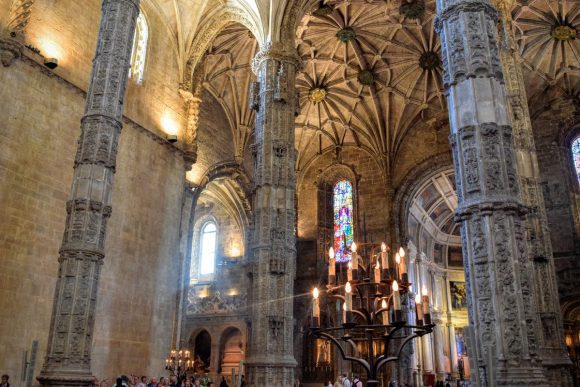
🏰 The Jerónimos Monastery Lisbon, or the Royal Monastery of Santa Maria de Belém, whose walls began to rise in the early 16th century, have stood the test of time, encapsulating the pinnacle of Portuguese architecture. As a designated National Monument and a proud entry on the UNESCO World Heritage List since 1983, the Monastery tells the tale of a country’s golden age, its exploratory spirit, and its cultural exchanges. Both the church, which serves as the Parish of Santa Maria de Belém, and the cloister, secularized in the 19th century, are testament to the complex’s dual role as a place of worship and a site of national heritage.
🛡️ The historic and artistic synergy between the Jerónimos Monastery and the nearby Belém Tower is deeply rooted in their common benefactor, King Manuel I. Both edifices exemplify the ambition and wealth of the period, created from the monarch’s substantial treasury and his patronage of the arts. Their proximity, once a defensive strategy, now serves as a harmonious ensemble for visitors, visually and historically linked, offering a deeper understanding of Portugal’s Age of Discovery. The strategic placement of the Belém Tower, meant to safeguard the Monastery and the Tagus river’s mouth, reflects the intricate military and maritime considerations of the time.
🖌️ The artistic mastery evident at the Jerónimos Monastery Lisbon owes much to its initial architect, Diogo de Boytac, and his successor, the Biscayan João de Castilho. Their leadership in the construction, alongside notable European sculptors like Nicolau Chanterene, gave rise to a monument that is both a sanctuary and a sculpture gallery. The western portal, attributed to Chanterene, showcases the visages of its royal patrons, King Manuel I and Queen Maria, in a display of portraiture so lifelike it was acclaimed by contemporaries for its verisimilitude.
Jerónimos Monastery
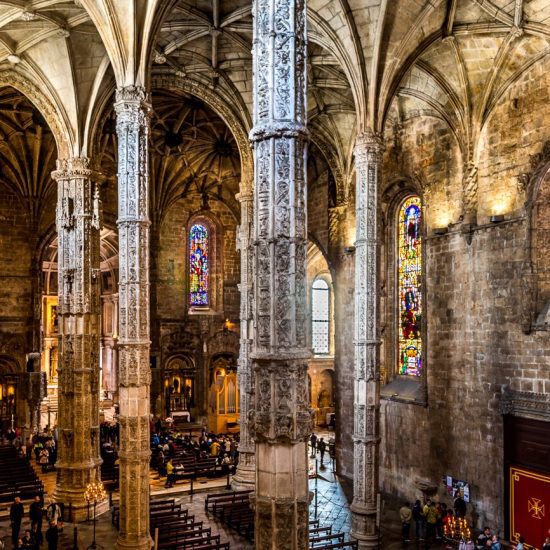
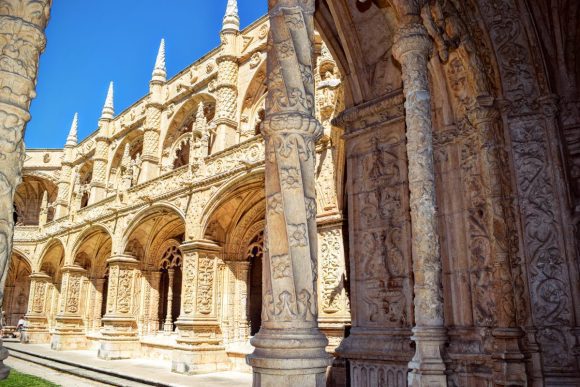
🎨 The Monastery’s architecture is a canvas displaying the narratives of its epoch, from the explorers who embarked on perilous voyages to the craftsmen who immortalized these stories in stone. Every archway, cloister, and column is infused with the Manueline style, characterized by ornate maritime motifs and symbols reflecting Portugal’s navigational prowess. This architectural style, exclusive to Portugal, speaks of a time when the nation was the epicenter of a global empire, with its sailors charting unknown waters and its missionaries spreading faith across continents.
⚓ The Jerónimos Monastery’s geographical position in relation to the Belém Tower is more than mere coincidence; it’s a testament to a deliberate strategy for defense and oversight. The tower, once isolated in the Tagus river and now connected to the shore, served as the guardian of Lisbon’s harbor and the Monastery itself. This symbiotic relationship between the two structures is a narrative of protection, faith, and royal ambition, each stone strategically placed with purpose and foresight.
🕊️ The only Monastery Lisbon has or needs remains a profound cultural and historical symbol, a serene cloister of reflection, and a grand narrative carved in limestone, whispering the legacy of a seafaring nation to all who wander within its venerable halls.
OPENING TIMES
| Monday | 9:30 am–6 pm |
| Tuesday | 9:30 am–6 pm |
| Wednesday | 9:30 am–6 pm |
| Thursday | 9:30 am–6 pm |
| Friday | 9:30 am–6 pm |
| Saturday | 9:30 am–6 pm |
| Sunday | 9:30 am–6 pm |