Museu Calouste Gulbenkian
Av. de Berna 45A, 1067-001 Lisboa, Portugal

Specification
Souvenir Shop Cafe Ticket Office Disabled Access Family Friendly“Artistic Echoes: The Best Gallery in Lisbon for Contemporary Wonders”
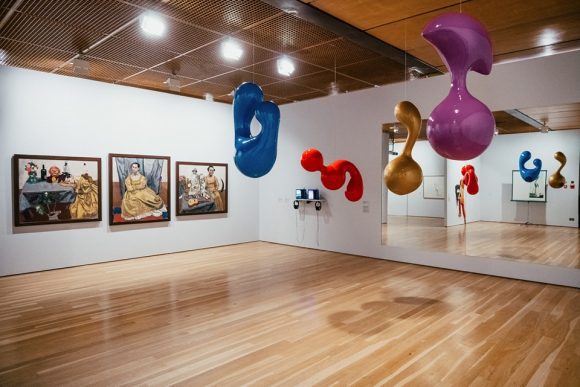
🌍 Welocome to the amazing Museu Calouste Gulbenkian in Lisbon. The very building which houses the collection, designed by the trio of architects Ruy Jervis d’Athouguia, Pedro Cid, and Alberto Pessoa, is itself a masterpiece, conceived to harmonize with the surrounding Gulbenkian garden. The museum’s architecture, with its sleek, modern lines and natural integration with the landscape, is a perfect prelude to the eclectic and vast collection it hosts. It is a wonderful place to relax away form the noise of the city.
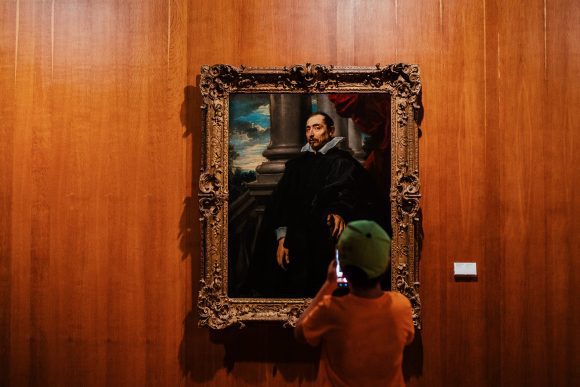
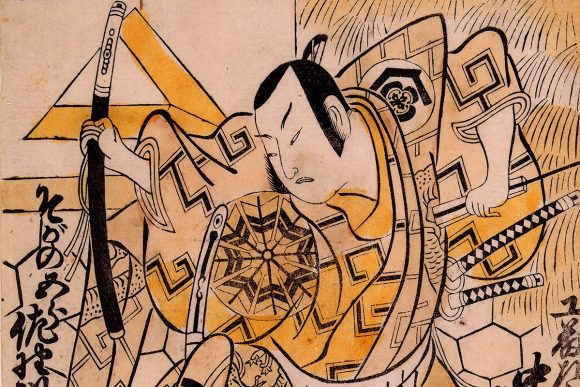
🖼 Inside, one is not merely walking through a gallery but traversing the corridors of history, guided by the exquisite tastes of Calouste Gulbenkian. The artworks, about a thousand on display from a collection of approximately six thousand, take you from the sands of ancient Egypt to the realms of the Greco-Roman world, across the Islamic East, and into the artistry of the Far East. Gulbenkian’s European selections of paintings, sculpture, and decorative arts reflects his love of diverse and impeccable predilections.
🏺 Born in the waning days of the Ottoman Empire, Calouste Sarkis Gulbenkian’s life was marked by exile and a search for beauty amid the chaos of the world. His collection began in a world that was a crucible of civilizations, from his native Cappadocia to the cosmopolitan Constantinople. This mosaic of cultural influences is reflected in the pieces he chose, each telling a story of aesthetic triumph and cultural significance. It’s clear that Gulbenkian was an art lover but he also gathered narratives woven in oil, marble, and precious metals.
🎨 The collection’s paintings are a roll call of the art world’s most celebrated masters: Rubens, Rembrandt, and Monet, to name a few. Not just content with the European masters, Gulbenkian’s passion also extended to the work of Rene Lalique, whose pieces in the museum highlight a love for not just the grandiose, but also for the delicately crafted objects. The story of how Gulbenkian acquired Houdon’s Diana—a masterpiece that once belonged to Catherine the Great—is a tale of intrigue, revealing the lengths to which he would go to secure a piece that captivated him.
🌐 The worldliness of the collection is matched by its peripatetic history. As Europe convulsed in the throes of war, Gulbenkian’s treasures were secreted away for safekeeping, finding temporary refuge in institutions such as the British Museum and the National Gallery of Art in Washington. It is a poignant reminder of the vulnerability of beauty and the efforts required to preserve it against the tide of human conflict.
Museu Calouste Gulbenkian
📜 Calouste Gulbenkian’s life was not just about collecting art but about ensuring its legacy. His negotiations with prominent figures like Kenneth Clark and the strategic counsel of his advisor Lord Radcliffe were all aimed at one goal: to see his “daughters” housed under a single roof, accessible for the world to see. The museum’s foundation and location in Lisbon stand as a tribute to his determination and a reflection of his intricate relationship with his collection.
🏛 After Gulbenkian’s death, it took 14 years of negotiations and legal wrangling before his last wish was realized. In 1969, the Museu Calouste Gulbenkian opened, finally giving a permanent home to the vast, personal collection he spent a lifetime assembling. Visiting the museum, one is not just looking at objects on display; one is witnessing the culmination of a life’s passion and a universal homage to the beauty that humanity is capable of creating and preserving.
I This is one of the more unique places in Lisbon to visit where you can relax away form the city noise and see people reading, enjoying music in the amphitheatre, or just sitting doing noting enjoying the lake and ducks. There’s all the art you will ever need.
OPENING TIMES
| Monday | 10 am–6 pm |
| Tuesday | Closed |
| Wednesday | 10 am–6 pm |
| Thursday | 10 am–6 pm |
| Friday | 10 am–6 pm |
| Saturday | 10 am–6 pm |
| Sunday | 10 am–6 pm |