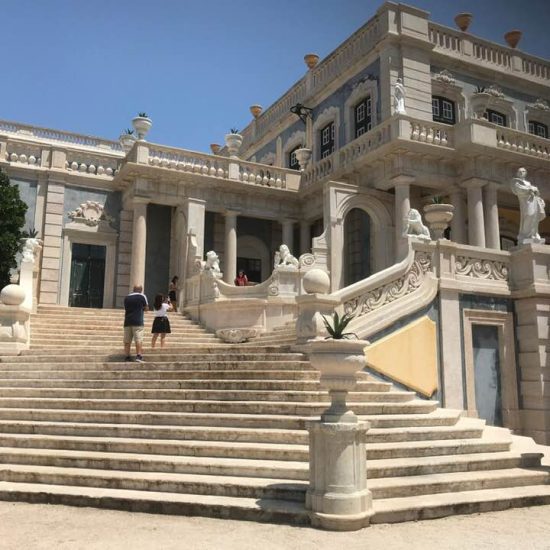
Palácio Nacional de Belém
Belém Palace, Praça Afonso de Albuquerque, Lisbon, Portugal


Specification
Souvenir Shop Cafe Audio Guide Ticket Office Day Trip Family Friendly“Palácio Nacional de Belém: Contender For The Best Museums in Lisbon Award”
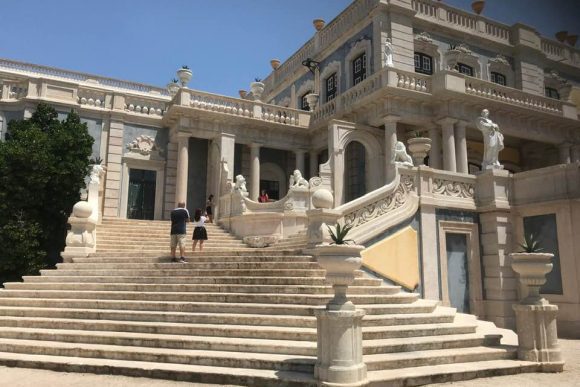
Home » Listing » Lisbon Tourist Attractions »👁️ Overlooking the Praça Afonso de Albuquerque, and the Tagus River, Belém Palace, or Palácio Nacional de Belém, has evolved from its 16th-century roots into a complex of buildings that chronicles Portuguese history through its architecture and purpose. As the erstwhile home of Portuguese royalty, its walls whisper stories of a bygone era, offering a stately reminder of the country’s monarchical past.
🌿 The palace’s origin traces back to the acquisition of the Outeiro das Vinhas by D. Manuel of Portugal in 1559, birthing the Quinta de Belém. From a modest structure with salons and atria, it transitioned through noble hands, expanding its footprint before falling under royal patronage. King John V’s ambitious reconstruction in the 18th century marked the beginning of its transformation into the summer residence of the royal family. Despite the trauma of the 1755 Lisbon earthquake, the palace withstood with minimal damage, a silent witness to the city’s resilience.
🎨 The 19th century brought both splendor and sorrow to the palace, as it hosted royal festivities and witnessed births and deaths within the royal family. The turn of the century saw modernization touches, including the introduction of gas lighting. Yet, the evolution of the palace from a royal residence to a space accommodating heads of state and foreign missions post-1903 indicates its growing political significance. The tumultuous events of the 20th century, including the Carnation Revolution and the formation of the Junta de Salvação Nacional, would forever change its role, eventually becoming the workplace for the presidents of the newly established democracy.
Palácio Nacional de Belém
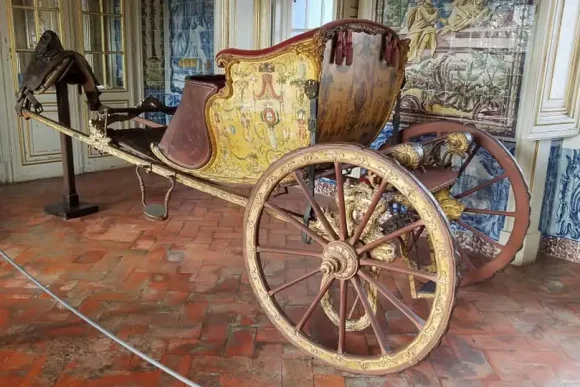
🖼 The later years of the 20th century and the early 21st century saw the Belém Palace embracing its new role as a cultural ambassador. The establishment of the Presidential Museum and initiatives like commissioning painter Paula Rego to decorate the palace chapel walls reflect the palace’s continued evolution. These touches not only preserve but also enrich the fabric of the palace’s history, ensuring that its narrative continues to unfold.
🌐 While some presidents have chosen to reside within its historic walls, others have preferred to use the space as a professional setting, preserving their private lives outside its domain. This duality of use underscores the palace’s versatility and its adaptive nature, accommodating the varied preferences of Portugal’s heads of state over the years.
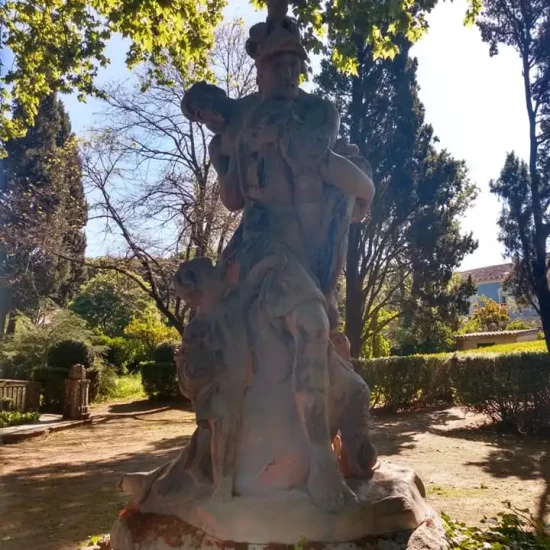
🍃 The palace is not solely an abode of power or a silent spectator of political shifts; its gardens and annexes are a tranquil retreat from the bustle of Lisbon. The reclassification of the palace as a National Monument in 2006 cements its status as a symbol of national pride and identity. It encapsulates Portugal’s tumultuous history, from monarchy to republic, from isolation to openness.
OPENING TIMES
| Tuesday | 10 AM–6 PM |
| Wednesday | 10 AM–6 PM |
| Thursday | 10 AM–6 PM |
| Friday | 10 AM–6 PM |
| Saturday | 10 AM–6 PM |
| Sunday | 10 AM–6 PM |
| Monday | Closed |