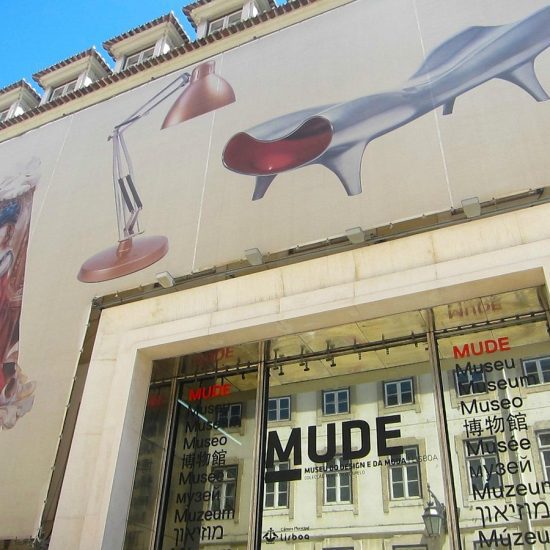
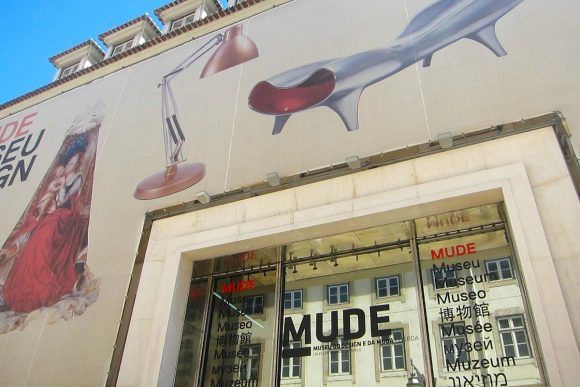
Lisbon Design Museum (MUDE)
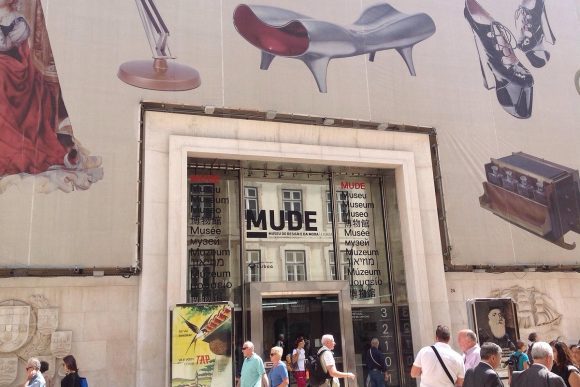
MUDE, R. Augusta 24, 1100-053 Lisboa, Portugal

Specification
Ticket Office Family FriendlyTEMPORARILY CLOSED
“Unveiling Creativity: The Lisbon Design Museum – Your Essential Guide to Museu Lisbon”
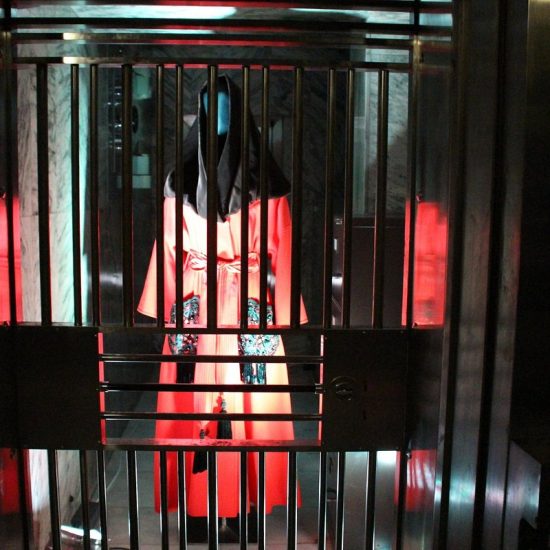
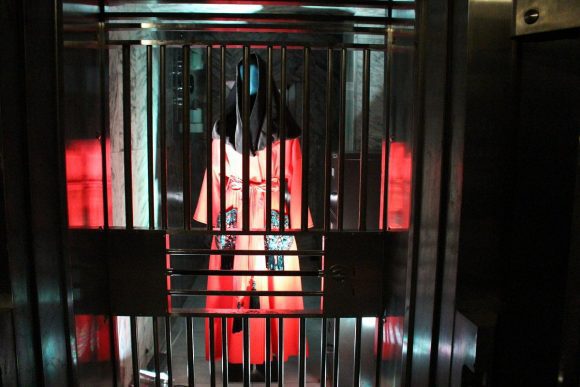
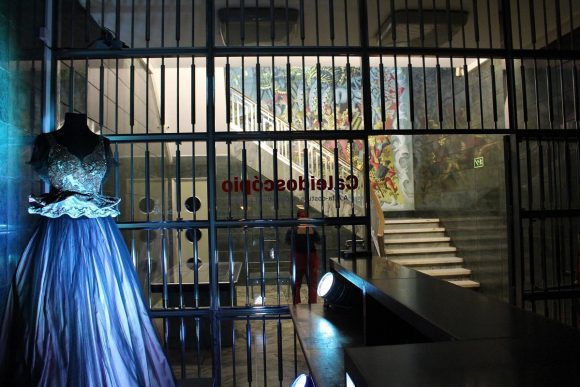
Home » Listing » Lisbon Tourist Attractions »🎨 MUDE, Museu Lisbon of Design and Fashion, stands as a temple to the various forms of design, its role extending beyond mere presentation to encompass the preservation, research, and propagation of design culture globally. With a mission to engage and enlighten a diverse audience, MUDE takes its responsibility seriously, ensuring that every piece within its walls is conserved with the utmost care and presented in a way that captivates and educates.
🌐 Catering to visitors of all ages and backgrounds, MUDE positions itself as a place of learning and inspiration, nurturing informed, critical, and creative thinkers. Its dedication to fostering an appreciation for material culture is palpable through its interactive exhibits and educational programs. The museum’s dynamic approach to design education encourages visitors to re-evaluate their relationship with the material world and stimulates a more conscious interaction with the culture of design and consumption.
🤝 The museum doesn’t just exist in a vacuum; it’s an active participant in the wider cultural landscape, creating connections with educational institutions, businesses, and other cultural entities. These synergies make MUDE a hub where design engages in a dialogue with other artistic forms, sparking conversations and debates on topics as diverse as urban planning, technological advancement, and environmental concerns. This museu Lisbon does more than showcase design—it advocates for it as a crucial component of contemporary challenges and solutions.
Best Guide to Museu Lisbon!
🏛️ Housed in a historical block within the Baixa Pombalina, MUDE’s structure tells a tale of evolution and transformation. This block has undergone several reincarnations, from its origins in the Pombaline era to housing the influential Banco Nacional Ultramarino. The architectural narrative unfolds across decades, featuring interventions from architects like Tertuliano de Lacerda Marques and Cristino da Silva, each layer adding to the complex character of the space MUDE occupies.
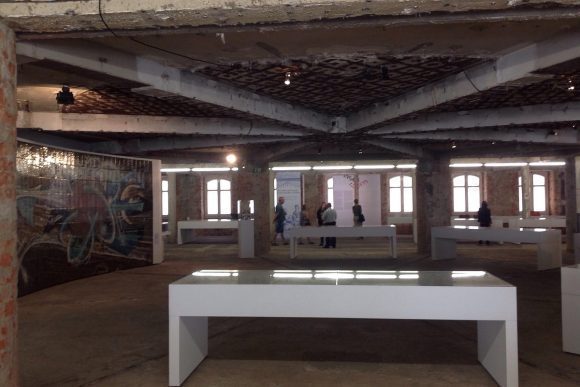
🔍 The museum building’s recent history shows it’s empathy to the evolving nature of urban spaces. After a period of vacancy and a series of halted renovations, MUDE took over the site, reviving it with minimal interventions and allowing the public to reconnect with this historical edifice. Through innovative exhibitions from 2009 to 2016, MUDE demonstrated an admirable capacity to adapt and transform, breathing new life into the heritage at risk of being forgotten.
🚧 The ongoing requalification project that began in 2016 signifies a bold step forward. MUDE’s ambition to open up all eight floors, with a total area of 15,400 m², showcases a commitment to making design accessible to everyone. By ensuring fluid and safe access throughout the museum, MUDE isn’t just expanding its physical space; it’s broadening the scope of its cultural impact.
OPENING TIMES
| Monday | 10 am–6 pm |
| Tuesday | 10 am–6 pm |
| Wednesday | 10 am–6 pm |
| Thursday | 10 am–6 pm |
| Friday | 10 am–6 pm |
| Saturday | 10 am–6 pm |
| Sunday | 10 am–6 pm |