


Museu da Marioneta
Convento das Bernardas Rua da Esperança, n° 146 1200-660 Lisboa

Specification
Family Friendly“Lisbon Puppet Museum – A Look Into ‘Museu da Marioneta”
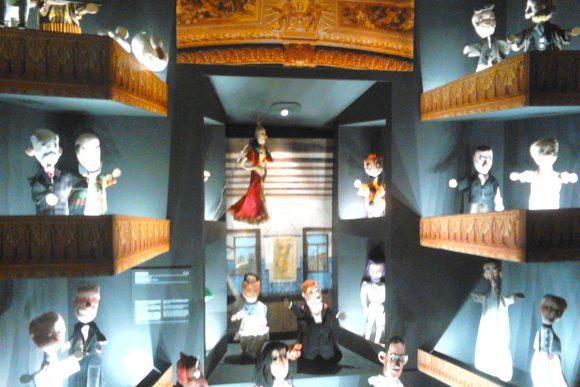
🎎 Walking into the Museu da Marioneta, Lisbon Puppet Museum felt like a magical gateway where the creations of puppetry art comes to life. Located within the historically significant Convento das Bernardas, the museum, which has stood since November 2001, is a sanctuary dedicated to the intricate world of puppets and puppet theatres. It is Portugal’s first and only museum wholly devoted to celebrating and sharing the story of this enthralling form of art from around the globe, with a special emphasis on the Portuguese tradition.
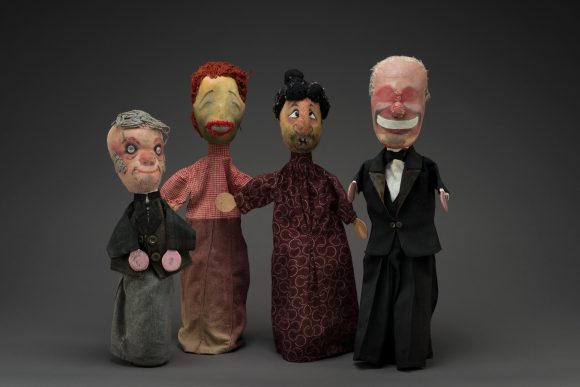
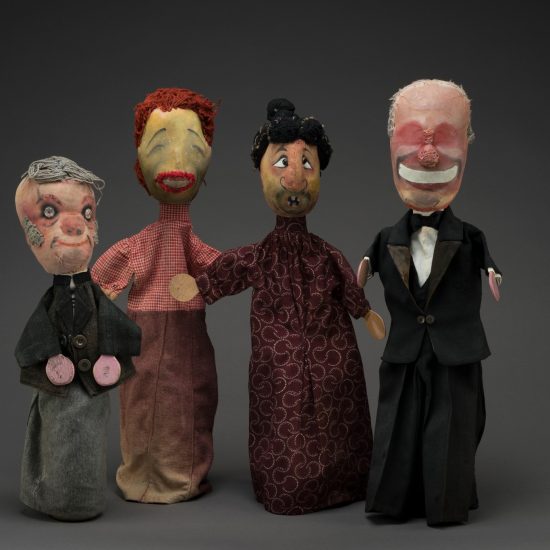
🌍 Situated in Santos close to the riverfront, Lisbon Puppet Museum houses a collection that offers a diverse reflection of puppetry’s evolution, spanning from ancient traditions to contemporary artistic expressions. This growth has been fuelled by the generosity of authors, collectors, and puppeteers who have collectively nurtured the museum’s vision. It has also benefitted from the support of various individuals who have contributed priceless artefacts and expertise. In its beginnings, the museum paid homage to Portugal’s puppetry heritage, showcasing an impressive assortment of the nation’s traditional puppetry, which remains a source of pride.
🏛️ Museu da Marioneta’s mission is comprehensive, encompassing the acquisition, conservation, research, and exhibition of puppet theatres and their history. By promoting knowledge, education, and enjoyment, the museum seeks to inspire and entertain visitors of all ages. This cultural hub came to life thanks to the Companhia de Marionetas de S. Lourenço, a pioneering group that has kept the art form alive in Portugal and carried it beyond its borders since 1987.
📚 The history represented within its walls is vast and deeply rooted in Portuguese culture. The museum honors the significant contributions of historical figures such as António José da Silva, as well as the narratives of wandering puppet troupes that have enlivened the country for centuries. The foundational collection, largely accumulated through the efforts of José Alberto Gil and Helena Vaz, laid the groundwork for what has become a comprehensive anthology of puppetry.
🔄 However, the path to the Lisbon puppet museum and its current success was not without its challenges. Financial difficulties and the lack of institutional support once threatened the museum’s sustainability. It was only through the partnership between the museum’s original owner and the Lisbon City Council, managed by EGEAC, that the Museu da Marioneta found a new lease on life, relocating to its present-day site, where it has been able to flourish and expand its collection substantially.
I Love Lisboa!
🌐 Today, the museum not only serves as a custodian of Portuguese puppetry but also celebrates the art form on an international scale. The involvement of collector Francisco Capelo has been instrumental, with his significant contributions of Asian, African, and Latin American masks and puppets diversifying and enriching the museum’s holdings. His potential donation promises to further enhance the museum’s cultural wealth.
🏫 The convent’s history itself is riveting, with its foundations dating back to the 17th century, a partial destruction during the earthquake of 1755, and a varied life post-restoration that now sees it as a vibrant community center. The Museu da Marioneta is a cornerstone of this transformation, offering educational services that include preparatory materials for teachers and interactive tours aimed at enriching the educational experience for students.
💶 Accessibility to the arts should never be a barrier, and the museum acknowledges this with its thoughtful pricing and inclusive access. Admission fees are modest, with discounts for various groups and free access provided under certain conditions, ensuring that everyone can enjoy the treasures within. The Lisbon Puppet Museum also accommodates those with disabilities, with thoughtful infrastructure ensuring everyone is welcomed.

OPENING TIMES
| Monday | Closed |
| Tuesday | 10 am–6 pm |
| Wednesday | 10 am–6 pm |
| Thursday | 10 am–6 pm |
| Friday | 10 am–6 pm |
| Saturday | 10 am–6 pm |
| Sunday | 10 am–6 pm |


Amenities
MUSEUMS FAMILYConvento das Bernardas Rua da Esperança, n° 146 1200-660 Lisboa
Get Directions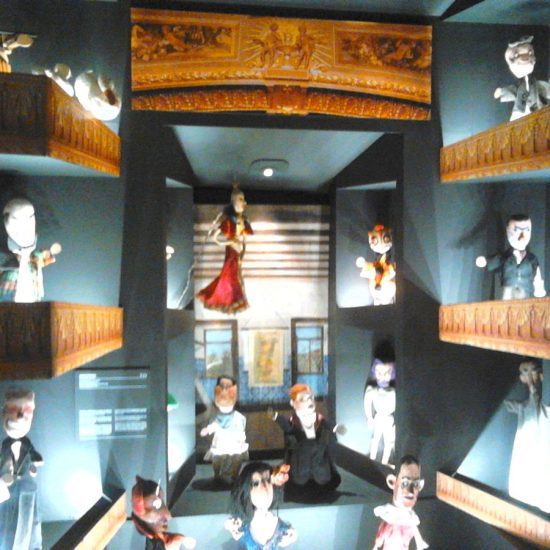



Recommended
